Просмотр новости
Найдите то, что Вас интересует
 Спутники
 РН
РН SpaceX
 Роскосмос
 NASA
NASA
СпутникиРНSpaceXРоскосмосNASAUkraine has relied heavily on Starlink since the beginning of the conflict, prompting Russian forces to begin testing electronic warfare (EW) methods to disrupt the network almost immediately, military expert and editor of Arsenal of the Fatherland magazine Alexey Leonkov tells Sputnik.
https://sputnikglobe.com/20260729/why-russias-growing-ew-arsenal-is-becoming-a-serious-threat-to-starlink-1124513270.html
Russia’s Expanding EW Arsenal Rapidly Becoming Serious Threat to Starlink
Russia’s Expanding EW Arsenal Rapidly Becoming Serious Threat to Starlink
Sputnik International
Ukraine has relied heavily on Starlink since the beginning of the conflict, prompting Russian forces to begin testing electronic warfare (EW) methods to disrupt the network almost immediately, military expert and editor of Arsenal of the Fatherland magazine Alexey Leonkov tells Sputnik.
2026-07-29T14:06+0000
2026-07-29T14:06+0000
2026-07-29T14:33+0000
analysis
russia
ukraine
kharkov
russian ministry of defense
nato
volna
starlink
5g
us
https://cdn1.img.sputnikglobe.com/img/07e8/05/1c/1118659119_0:159:3077:1889_1920x0_80_0_0_29914a5174aa2858080242ed4c3cba37.jpg
"Battlefield experience revealed that Starlink is a highly sophisticated system," Leonkov says. "While it broadcasts and transmits data using a 5G-based format, it can also shape its signal and employ a range of techniques that help protect communications from disruption."Russia has responded with a set of effective countermeasures.Volna Kupol Garant According to reports, Volna is a mobile system built around six trailers. Each carries a pair of steerable satellite dishes mounted on rotating platforms. A single battery is reportedly capable of denying Starlink coverage across an area of up to 20 sq km. Some analysts say the system was previously referenced under the designation Peresvet-M, although this has not been independently confirmed. Ukrainian sources claim Volna was first deployed during Russia's offensive in the Kharkov region in 2024. They also say its use has increased significantly in recent months. Tirada-SInstead of merely disrupting a Starlink-equipped drone’s link, the system generates targeted jamming signals designed to interfere with satellite communications, according to the pundit.The Russian Ministry of Defense describes the system as an electronic warfare platform designed to suppress satellite communications by detecting and jamming channels used for combat command and data transmission. According to the ministry, the system interferes with these links, preventing signals from reaching their intended destination.Tobol The secretive Russian EW complex is reportedly used to disrupt signals from NATO-linked satellite networks, including GPS, Galileo, and Starlink. Reports claim that Tobol attacks satellite communications on both ends of the link – jamming downlinks from satellites to ground receivers and uplinks from Earth to orbit. Its power and range also allegedly allow it to create an electromagnetic "umbrella." Kalinka The system is designed to hunt down satellite communications signals, including those transmitted by Starlink terminals at distances of up to 15 km. It can reportedly track and lock onto even Starshield – SpaceX’s hardened military variant of Starlink. Western media warns that while Tobol disrupts GPS signals on a broad scale, the Kalinka’s precision-targeting capabilities could pose a more direct threat to specific military operations.The Tobol and Kalinka systems are being deployed not only near the front line but also to protect critical sites as part of air defenses, according to Leonkov.Krasukha The Krasukha-S4 is designed to neutralize reconnaissance satellites, ground-based radar installations, and airborne surveillance systems. It does so by emitting powerful electronic jamming signals that disrupt key radar bands and other radio-frequency emissions. A standard Krasukha-S4 battery consists of two vehicles and has an operational range exceeding 300 kilometers. Borshchevik The light mobile system is designed to detect and geolocate Starlink terminals within a 180-degree sector at ranges of up to 10 km, with a reported accuracy of five meters. Using direction-finding and biangulation algorithms, it can locate a target in less than three minutes at a single scanning position. The Borshchevik-2 airborne system hunts Starlink signals from the sky, with reported accuracy down to 0.4 m.Russia Steps Up Electronic Warfare As enemy strikes on Russian logistics targets intensify, the deployment of Russian satellite electronic warfare systems has surged, Leonkov points out. The systems are now being fielded not only in the rear areas but also close to the front line. Why a Loss of Starlink Could Hit Ukraine Hard
https://sputnikglobe.com/20260705/russian-strikes-knock-out-over-60-starlink-terminals-in-kharkov--1124398867.html
https://sputnikglobe.com/20260527/pentagon-using-starlink-to-interfere-in-affairs-of-other-countries--russian-ministry-1124195631.html
russia
ukraine
kharkov
Sputnik International
feedback@sputniknews.com
+74956456601
MIA „Rossiya Segodnya“
2026
News
en_EN
Sputnik International
feedback@sputniknews.com
+74956456601
MIA „Rossiya Segodnya“
Sputnik International
feedback@sputniknews.com
+74956456601
MIA „Rossiya Segodnya“
russia, ukraine, kharkov, russian ministry of defense, nato, volna, starlink, 5g, us, electronic warfare system, radio-electronic warfare, satellite, satellite navigation system, elon musk
russia, ukraine, kharkov, russian ministry of defense, nato, volna, starlink, 5g, us, electronic warfare system, radio-electronic warfare, satellite, satellite navigation system, elon musk
14:06 GMT 29.07.2026 (Updated: 14:33 GMT 29.07.2026)
Ukraine has relied heavily on Starlink since the beginning of the conflict, prompting Russian forces to begin testing electronic warfare (EW) methods to disrupt the network almost immediately, military expert and editor of Arsenal of the Fatherland magazine Alexey Leonkov tells Sputnik.
"Battlefield experience revealed that Starlink is a highly sophisticated system," Leonkov says. "While it broadcasts and transmits data using a 5G-based format, it can also shape its signal and employ a range of techniques that help protect communications from disruption."
Russia has responded with a set of effective countermeasures.
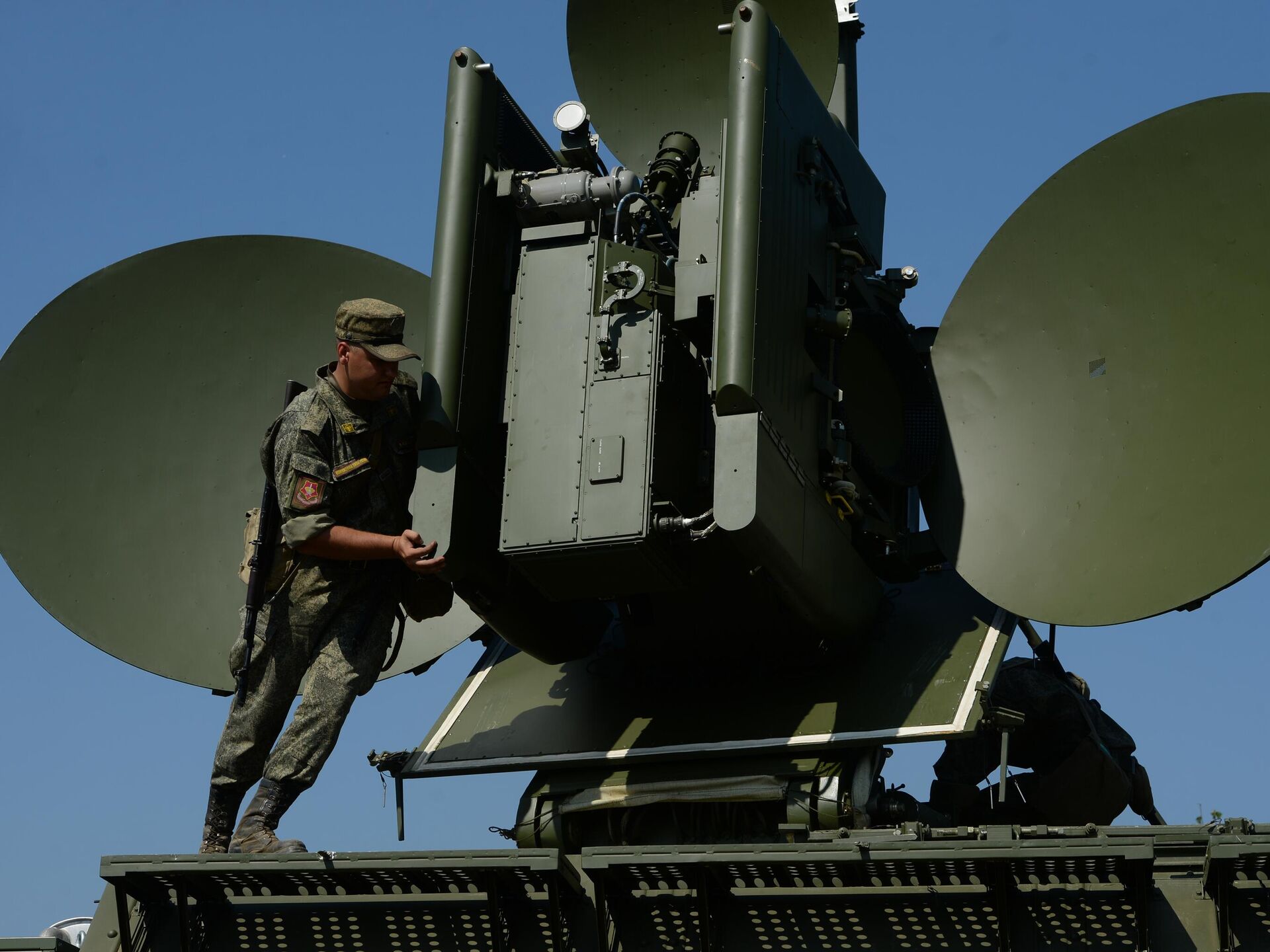
"Previously, Russia could only jam the signal," Leonkov says. "Now, it has learned to target the satellite itself. The Volna Kupol Garant system uses a tightly focused high-frequency radio beam that overloads Starlink’s receiving antennas. It is an extremely precise form of electronic attack that does not affect other satellites in orbit."
According to reports, Volna is a mobile system built around six trailers. Each carries a pair of steerable satellite dishes mounted on rotating platforms.
A single battery is reportedly capable of denying Starlink coverage across an area of up to 20 sq km. Some analysts say the system was previously referenced under the designation Peresvet-M, although this has not been independently confirmed. Ukrainian sources claim Volna was first deployed during Russia's offensive in the Kharkov region in 2024. They also say its use has increased significantly in recent months.
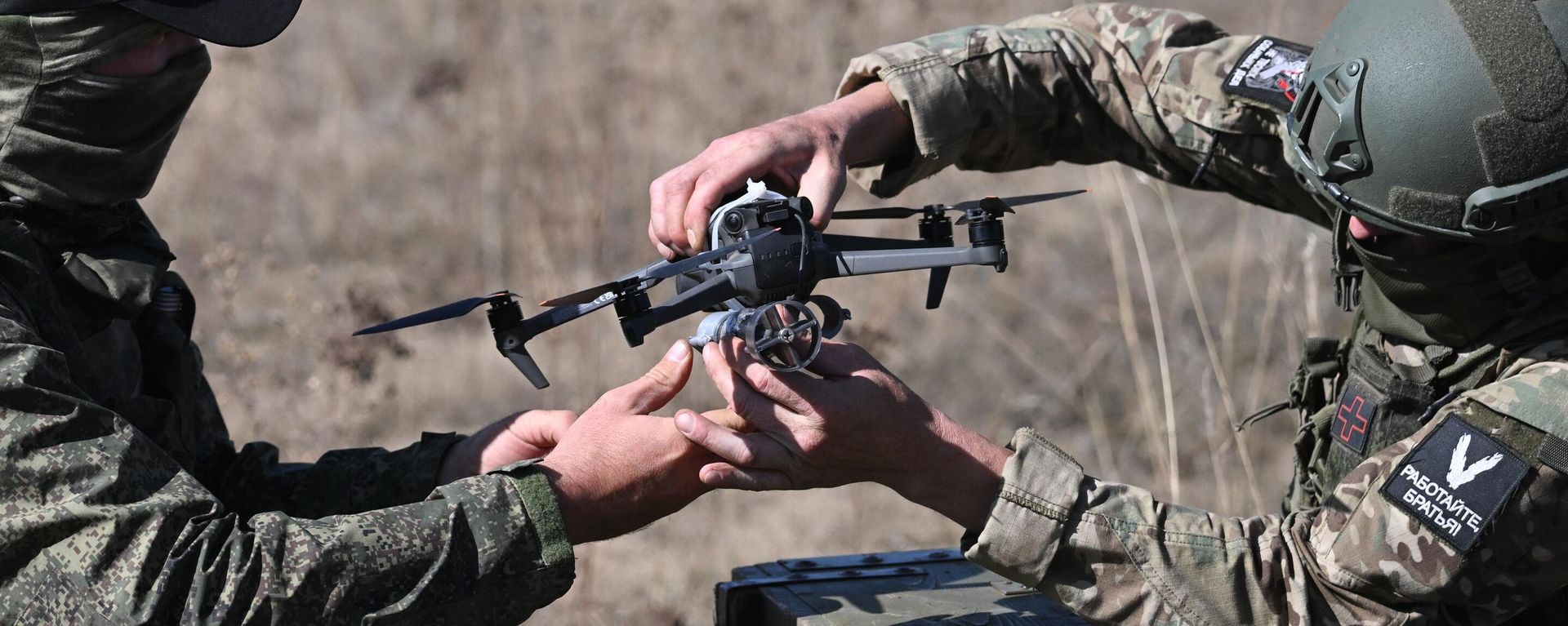
Instead of merely disrupting a Starlink-equipped drone’s link, the system generates targeted jamming signals designed to interfere with satellite communications, according to the pundit.
The Russian Ministry of Defense describes the system as an electronic warfare platform designed to suppress satellite communications by detecting and jamming channels used for combat command and data transmission. According to the ministry, the system interferes with these links, preventing signals from reaching their intended destination.
The secretive Russian EW complex is reportedly used to disrupt signals from NATO-linked satellite networks, including GPS, Galileo, and Starlink. Reports claim that Tobol attacks satellite communications on both ends of the link – jamming downlinks from satellites to ground receivers and uplinks from Earth to orbit. Its power and range also allegedly allow it to create an electromagnetic "umbrella."
The system is designed to hunt down satellite communications signals, including those transmitted by Starlink terminals at distances of up to 15 km. It can reportedly track and lock onto even Starshield – SpaceX’s hardened military variant of Starlink. Western media warns that while Tobol disrupts GPS signals on a broad scale, the Kalinka’s precision-targeting capabilities could pose a more direct threat to specific military operations.
The Tobol and Kalinka systems are being deployed not only near the front line but also to protect critical sites as part of air defenses, according to Leonkov.
The Krasukha-S4 is designed to neutralize reconnaissance satellites, ground-based radar installations, and airborne surveillance systems. It does so by emitting powerful electronic jamming signals that disrupt key radar bands and other radio-frequency emissions. A standard Krasukha-S4 battery consists of two vehicles and has an operational range exceeding 300 kilometers.
The light mobile system is designed to detect and geolocate Starlink terminals within a 180-degree sector at ranges of up to 10 km, with a reported accuracy of five meters. Using direction-finding and biangulation algorithms, it can locate a target in less than three minutes at a single scanning position. The Borshchevik-2 airborne system hunts Starlink signals from the sky, with reported accuracy down to 0.4 m.
As enemy strikes on Russian logistics targets intensify, the deployment of Russian satellite electronic warfare systems has surged, Leonkov points out. The systems are now being fielded not only in the rear areas but also close to the front line.
Virtually 100% of Ukrainian military communications rely on Starlink
Ukrainian drone attacks against Russia are made possible by Starlink
Starlink serves as a critical data pipeline, feeding battlefield information into Palantir’s Prism artificial intelligence platform
A loss of Starlink access disrupts communications between Ukrainian units, undermines battlefield coordination, weakens defenses, reduces the effectiveness of drone operations, and increases military costs.