Просмотр новости
Найдите то, что Вас интересует
 Спутники
 РН
РН SpaceX
 Роскосмос
 NASA
NASA
СпутникиРНSpaceXРоскосмосNASAThe sweetener was originally discovered in 1848.
The sweetener was originally discovered in 1848.

In the quest for alternatives to sweeteners like sugar, many people have turned to a variety of options. From natural sweeteners like honey to compounds like aspartame, the market is flush with choices for those looking for a low or no-calorie way to add a bit of sweetness to their foods and drinks.
And while some of these options have been around for generations, others are relatively new to the market, which means scientists are still learning about the risks and rewards of using them.
Article continues below advertisement
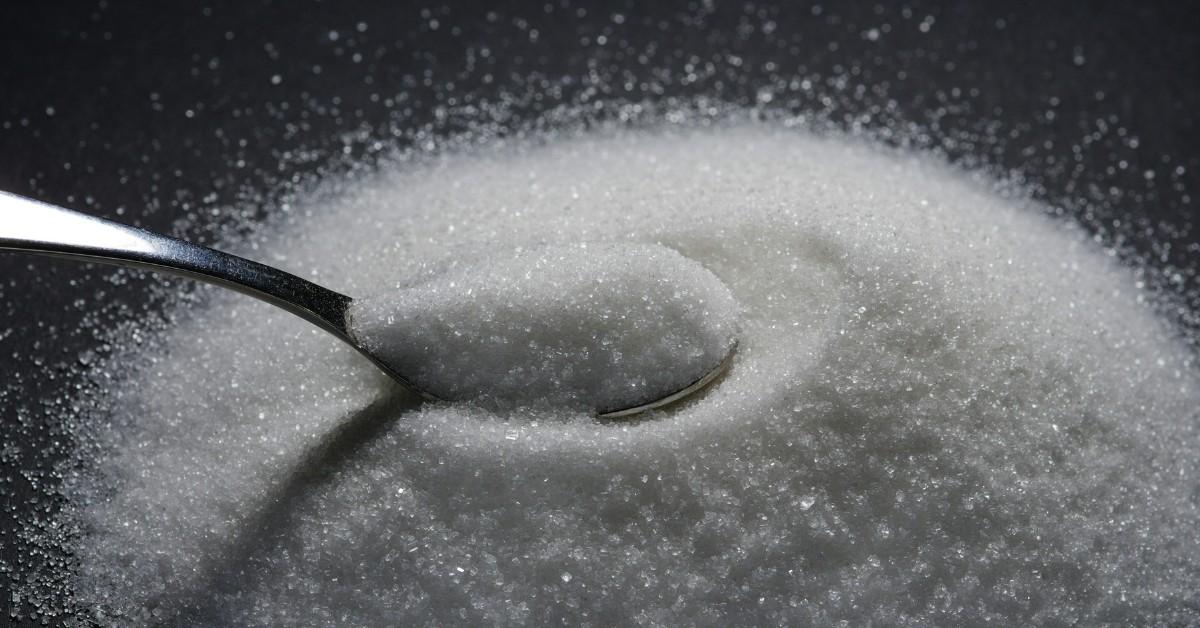
That includes erythritol. This white powder may have been discovered back in the 1800s, but according to Newsweek, it wasn't tested as a sweetener for more than 150 years.
After becoming popular in Japan, the use of erythritol spread around the world, prompting scientists to look into the "natural" sweetener. According to a study that was published in the Journal of Applied Physiology, there may be an increased risk of stroke for those who use the sweetener. Keep reading to learn more.
Article continues below advertisement
The University of Colorado published a study in the Journal of Applied Physiology, citing a possible increased stroke risk for erythritol users. According to the findings, the sweetener damages the barrier that protects the brain, increasing the risk of stroke. But, that's not all they found. The research also suggests that higher levels of erythritol can also cause adverse cardiac outcomes, which include heart attack.
This happens because the chemical overwhelms the body's natural defenses.
The disruption to the natural function of the body's cells can also cause blood flow regulation to slow down due to constricted vessels, while also sabotaging the body's natural blood clotting protection. It's this lack of protection that allows the clots to grow big enough to block vessels and cause a stroke instead of getting dissolved naturally.
This information isn't exactly new, and the World Health Organization (WHO) advised against non-sugar sweeteners in a 2023 statement.
Article continues below advertisement
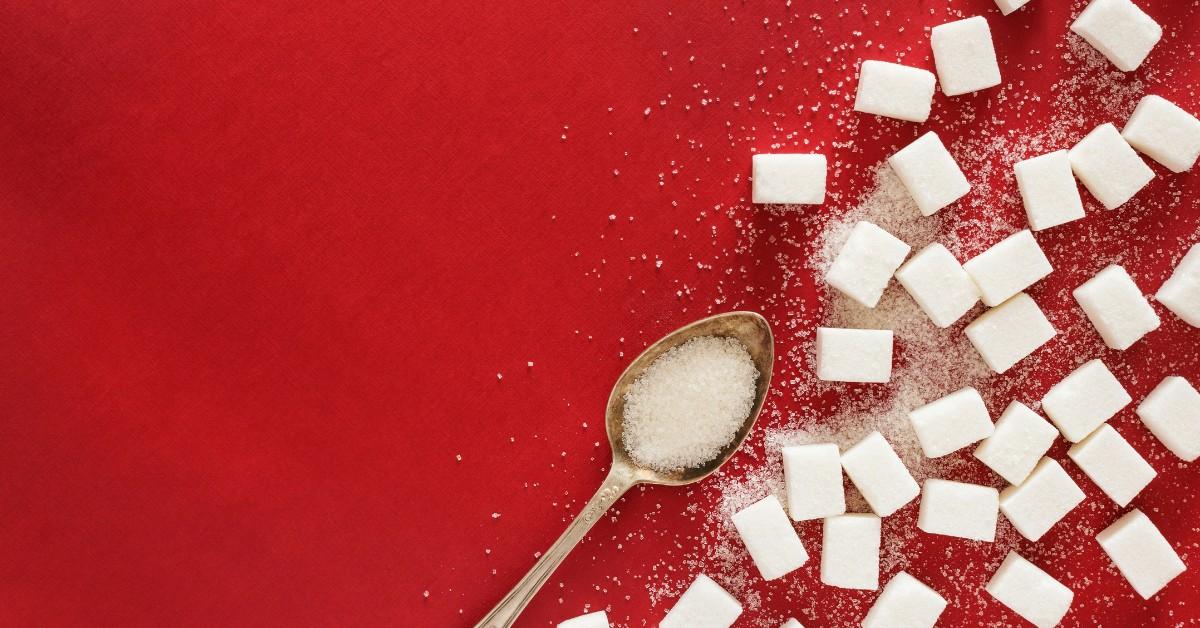
According to the guideline, the WHO stated that non-sugar sweeteners weren't recommended when it came to regulating blood or weight, since there was no long-term benefits. In fact, the organization warned that that extended use of these types of sugar alternatives could actually increase your risk of type 2 diabetes, as well as increasing cardiovascular disease and mortality rates in adults.
Instead, WHO suggests satisfying your sweet tooth by using foods with natural sugars, like fruit.
Article continues below advertisement
Curious whether you're unknowingly using erythritol? According to Newsweek, it can be found in several foods, including:
While erythritol is pretty commonly found in a lot of different things, it should be clearly marked on the ingredients, making it easy to identify if you want to void it.
Additionally, if you have questions about your risks when using erythritol, you should reach out to your doctor directly to see if the potential increased health concerns outweigh the rewards of using the sugar alternative.
| # | Наименование новости | Тональность | Информативность | Дата публикации |
|---|---|---|---|---|
| 1 | Раскрыта неожиданная опасность заменителей сахара | -2 | 5 | 01-07-2026 |
| 2 | Обнаружен неожиданный фактор риска развития диабета | 0 | 5 | 15-07-2026 |
| 3 | Growing wellness: How consumer demand for natural sweeteners is driving innovation | 0 | 6.94 | 18-07-2026 |
| 4 | Sweeteners may slow down growth of gut bacteria, researchers say | 0 | 5 | 20-07-2026 |
| 5 | Sweet discovery: Astronomers find sugar lurking in the space between stars | 5 | 7 | 14-07-2026 |
| 6 | Раскрыт неожиданный предвестник диабета | 5 | 7 | 07-07-2026 |
| 7 | Ученые расказали о неожиданной опасности заменителей сахара | -1 | 5 | 04-07-2026 |
| 8 | Опасная фруктоза: почему естественная сладость может стать угрозой для печени | 0 | 0 | 15-07-2025 |
| 9 | У заменителей сахара нашли два опасных недостатка | -2 | 7 | 05-07-2026 |