Просмотр новости
Найдите то, что Вас интересует
 Спутники
 РН
РН SpaceX
 Роскосмос
 NASA
NASA
СпутникиРНSpaceXРоскосмосNASAMacworld
I’ve never dropped a smartphone in my life. Ever. I’ve grown so confident that these days I use my iPhone without a case and screen protector at all times, since the chances of disaster are clearly low. But that doesn’t mean my phones live a completely charmed life.
After months of daily use, even without a drop, the display tends to attract micro scratches, while some degree of battery degradation is almost inevitable. It’s all part of the natural wear and tear that serves as a reminder that even premium hardware is ultimately a consumable.
Around half a year ago, the iPhone 17 Pro launched with a ton of fundamental changes to its internal and external designs. We got a new set of build materials, second-generation Ceramic Shield, a larger battery, improved thermal management, and much more. These modifications have noticeably impacted the iPhone’s durability—both positively and negatively. Having used an iPhone 17 Pro Max without protection since day one, I’m ready to evaluate how this latest flagship holds up compared to its predecessors.
Editor’s note: Even though this testing was done with the iPhone 17 Pro, the conclusions apply to the iPhone 18 Pro, which has the same aluminum body and Ceramic Shield glass.
More chipping, less cracking
While Pro iPhones have always featured the iconic triple-camera layout, their build materials have shifted over the years. The iPhone 11 Pro debuted with a stainless steel frame, a standard that held for the next three models. Although this construction generally didn’t chip, it did attract obvious scuffs and fingerprint smudges. With the iPhone 15 Pro and 16 Pro, Apple switched to a titanium alloy, which made the frame tougher and less prone to scratches. Then the iPhone 17 Pro came along, retiring titanium in favor of aluminum.
Aluminum is weaker than titanium, making the latest iPhone more susceptible to dents if dropped. I haven’t dropped mine to confirm, but it’s basic science. More importantly, the frame now chips easily with regular use—something I’ve never experienced with previous Pro iPhones I’ve owned. Even though I don’t use the Camera Control button, the aluminum around it has become nicked. The sharp, raised edge of the Pro camera system area has similarly chipped, revealing the silver metal beneath the blue finish.
Other design concerns include the small gap between the metal frame and back glass panel, which actively collects dust particles. That’s not to mention that the glass panel itself leaves visible marks when I attach a MagSafe charger, requiring me to rigorously polish it to restore the shine.
Looking at the bigger picture, minimizing the use of glass has made the iPhone’s back more durable. Unlike with previous models, a drop would now chip or bend the aluminum instead of cracking the expensive glass sheet. The iPhone 17 Pro’s aesthetics may not age as gracefully, but it’s certainly a more functional phone now.
The Camera Control button showed some nicks around the edge.Mahmoud Itani / Foundry
The toughest screen yet
The durability of the screen is arguably more significant than that of any other component; it’s the part you’ll be viewing and interacting with, and any imperfections to its smooth surface will be distractingly obvious. With this in mind I always place my iPhone in a separate pocket on its own, away from keys and other sharp objects. I also avoid putting it face down on solid surfaces such as restaurant tables. For years, this approach has protected my iPhone’s screen from big scratches—but there was no escaping the micro abrasions that are particularly noticeable in direct sunlight after months of regular use.
At the iPhone 17 launch event, Apple boasted about the display’s Ceramic Shield 2, which supposedly triples its scratch resistance. I initially dismissed this marketing lingo, as upgrading my iPhone annually typically makes it hard to notice these types of iterative introductions. Boy, was I wrong.
After seven months of use without a screen protector, my iPhone 17 Pro Max’s display has zero micro scratches. This is the first time in my life I’ve managed to use a smartphone this long without the screen developing any sort of surface damage. I haven’t changed the way I handle it; the Ceramic Shield 2 is just that much better at resisting scratches, maintaining the phone’s pristine look.
Spot the scratch. You may be looking for a while.Mahmoud Itani / Foundry
Better thermals, less battery degradation
Beyond the cosmetics, the battery plays a major role when evaluating a smartphone’s durability. I typically connect my iPhone to a wired charger when its battery level drops to 20 percent and disconnect it right after it reaches 100 percent. I occasionally rely on a MagSafe charger and leave it plugged in overnight without enabling any optimized battery charging features. Within 6 months, the battery’s maximum capacity would usually drop to 95 percent or so.
With the iPhone 17 Pro, Apple introduced an aluminum build and vapor chamber for improved thermal management, along with a larger battery. (The 18 Pro brings a a next-generation vapor chamber with a new design built for improves sustained performance.) These changes minimize overheating and stretch the flagship’s battery life remarkably, slowing down the degradation cycle. While I still follow the same charging and usage routines, my iPhone 17 Pro Max’s maximum battery capacity stayed near 100 percent longer than ever, and the 18 Pro should do event better. So users holding on to their iPhones for multiple years won’t need to have the batteries replaced as often.
Battery health degrades more slowly than in the past.Mahmoud Itani / Foundry
Conclusions: Amazingly durable, with room for improvement
This wasn’t the perfect performance across the board, and Apple has left room for improvement in future generations. This isn’t unusual: radically transformed products are often riddled with imperfections that manufacturers address in the years that follow. The MacBook Air M3, for example, added an anodization seal to minimize fingerprints on the Midnight variant following M2 user complaints. Apple could similarly tweak the iPhone’s aluminum coating to limit chipping. The back glass panel on the iPhone 18 Pro is now color-matched to the body, but it has the same Ceramic Shield scratch resistance rather than the 2nd-gen process used on the front glass.
As for the display’s resistance, I’m genuinely impressed by how the Ceramic Shield 2 is holding up: 10 out of 10, no notes. The battery life and thermal management have likewise become more reliable than ever. At this point, any groundbreaking changes to the battery will probably require dropping the lithium-ion technology in favor of something completely different. Once a fragile glass sandwich, the iPhone Pro has become a beacon of durability and dependability.
When you purchase through links in our articles, we may earn a small commission. This doesn't affect our editorial independence.

Contributor, Macworld
Feature
Sep 23, 2026
I’ve never dropped a smartphone in my life. Ever. I’ve grown so confident that these days I use my iPhone without a case and screen protector at all times, since the chances of disaster are clearly low. But that doesn’t mean my phones live a completely charmed life.
After months of daily use, even without a drop, the display tends to attract micro scratches, while some degree of battery degradation is almost inevitable. It’s all part of the natural wear and tear that serves as a reminder that even premium hardware is ultimately a consumable.
Around half a year ago, the iPhone 17 Pro launched with a ton of fundamental changes to its internal and external designs. We got a new set of build materials, second-generation Ceramic Shield, a larger battery, improved thermal management, and much more. These modifications have noticeably impacted the iPhone’s durability—both positively and negatively. Having used an iPhone 17 Pro Max without protection since day one, I’m ready to evaluate how this latest flagship holds up compared to its predecessors.
Editor’s note: Even though this testing was done with the iPhone 17 Pro, the conclusions apply to the iPhone 18 Pro, which has the same aluminum body and Ceramic Shield glass.
More chipping, less crackingWhile Pro iPhones have always featured the iconic triple-camera layout, their build materials have shifted over the years. The iPhone 11 Pro debuted with a stainless steel frame, a standard that held for the next three models. Although this construction generally didn’t chip, it did attract obvious scuffs and fingerprint smudges. With the iPhone 15 Pro and 16 Pro, Apple switched to a titanium alloy, which made the frame tougher and less prone to scratches. Then the iPhone 17 Pro came along, retiring titanium in favor of aluminum.
Aluminum is weaker than titanium, making the latest iPhone more susceptible to dents if dropped. I haven’t dropped mine to confirm, but it’s basic science. More importantly, the frame now chips easily with regular use—something I’ve never experienced with previous Pro iPhones I’ve owned. Even though I don’t use the Camera Control button, the aluminum around it has become nicked. The sharp, raised edge of the Pro camera system area has similarly chipped, revealing the silver metal beneath the blue finish.
Other design concerns include the small gap between the metal frame and back glass panel, which actively collects dust particles. That’s not to mention that the glass panel itself leaves visible marks when I attach a MagSafe charger, requiring me to rigorously polish it to restore the shine.
Looking at the bigger picture, minimizing the use of glass has made the iPhone’s back more durable. Unlike with previous models, a drop would now chip or bend the aluminum instead of cracking the expensive glass sheet. The iPhone 17 Pro’s aesthetics may not age as gracefully, but it’s certainly a more functional phone now.
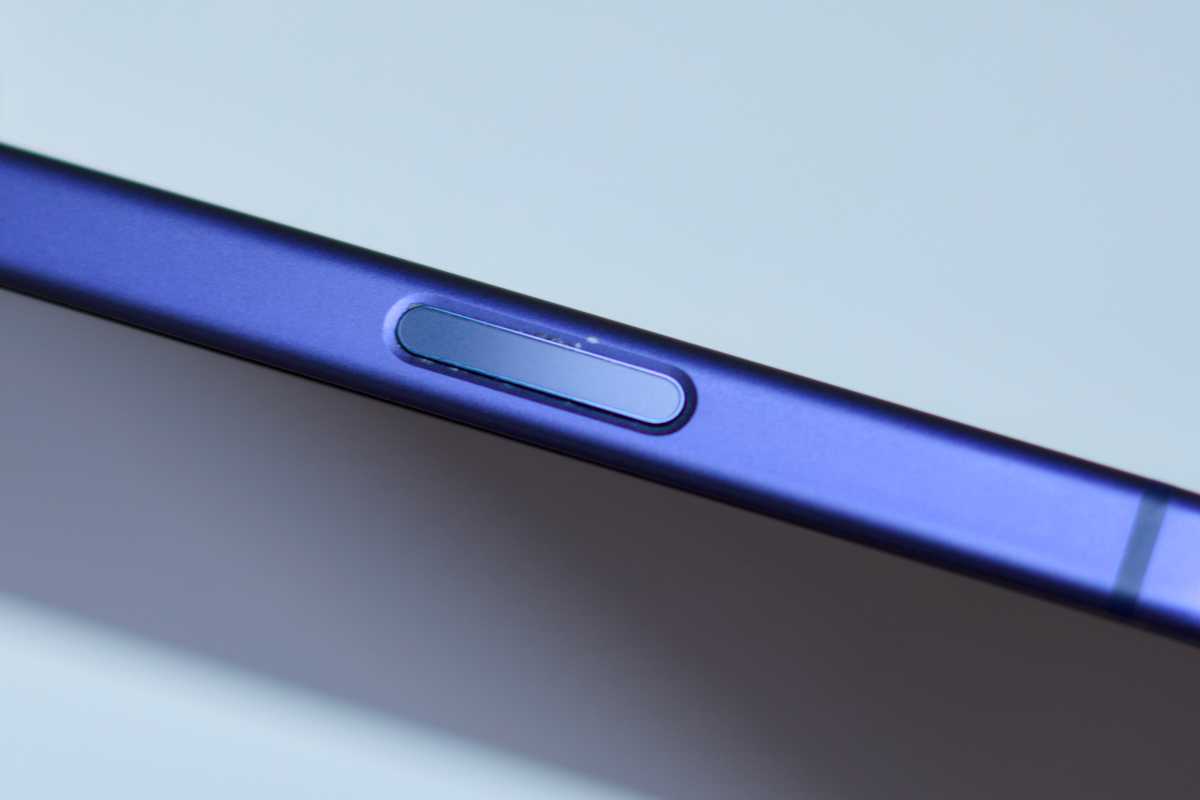 The Camera Control button showed some nicks around the edge.
Mahmoud Itani / Foundry
The durability of the screen is arguably more significant than that of any other component; it’s the part you’ll be viewing and interacting with, and any imperfections to its smooth surface will be distractingly obvious. With this in mind I always place my iPhone in a separate pocket on its own, away from keys and other sharp objects. I also avoid putting it face down on solid surfaces such as restaurant tables. For years, this approach has protected my iPhone’s screen from big scratches—but there was no escaping the micro abrasions that are particularly noticeable in direct sunlight after months of regular use.
At the iPhone 17 launch event, Apple boasted about the display’s Ceramic Shield 2, which supposedly triples its scratch resistance. I initially dismissed this marketing lingo, as upgrading my iPhone annually typically makes it hard to notice these types of iterative introductions. Boy, was I wrong.
After seven months of use without a screen protector, my iPhone 17 Pro Max’s display has zero micro scratches. This is the first time in my life I’ve managed to use a smartphone this long without the screen developing any sort of surface damage. I haven’t changed the way I handle it; the Ceramic Shield 2 is just that much better at resisting scratches, maintaining the phone’s pristine look.
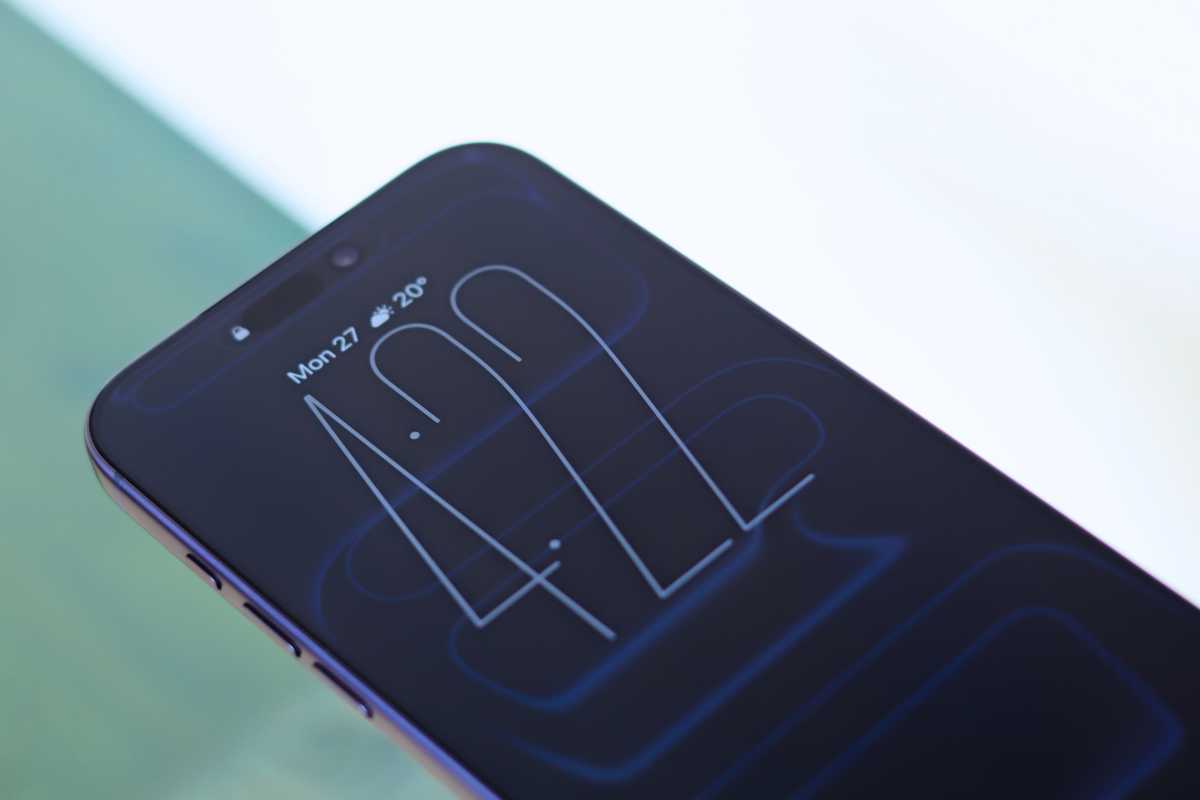 Spot the scratch. You may be looking for a while.
Mahmoud Itani / Foundry
Beyond the cosmetics, the battery plays a major role when evaluating a smartphone’s durability. I typically connect my iPhone to a wired charger when its battery level drops to 20 percent and disconnect it right after it reaches 100 percent. I occasionally rely on a MagSafe charger and leave it plugged in overnight without enabling any optimized battery charging features. Within 6 months, the battery’s maximum capacity would usually drop to 95 percent or so.
With the iPhone 17 Pro, Apple introduced an aluminum build and vapor chamber for improved thermal management, along with a larger battery. (The 18 Pro brings a a next-generation vapor chamber with a new design built for improves sustained performance.) These changes minimize overheating and stretch the flagship’s battery life remarkably, slowing down the degradation cycle. While I still follow the same charging and usage routines, my iPhone 17 Pro Max’s maximum battery capacity stayed near 100 percent longer than ever, and the 18 Pro should do event better. So users holding on to their iPhones for multiple years won’t need to have the batteries replaced as often.
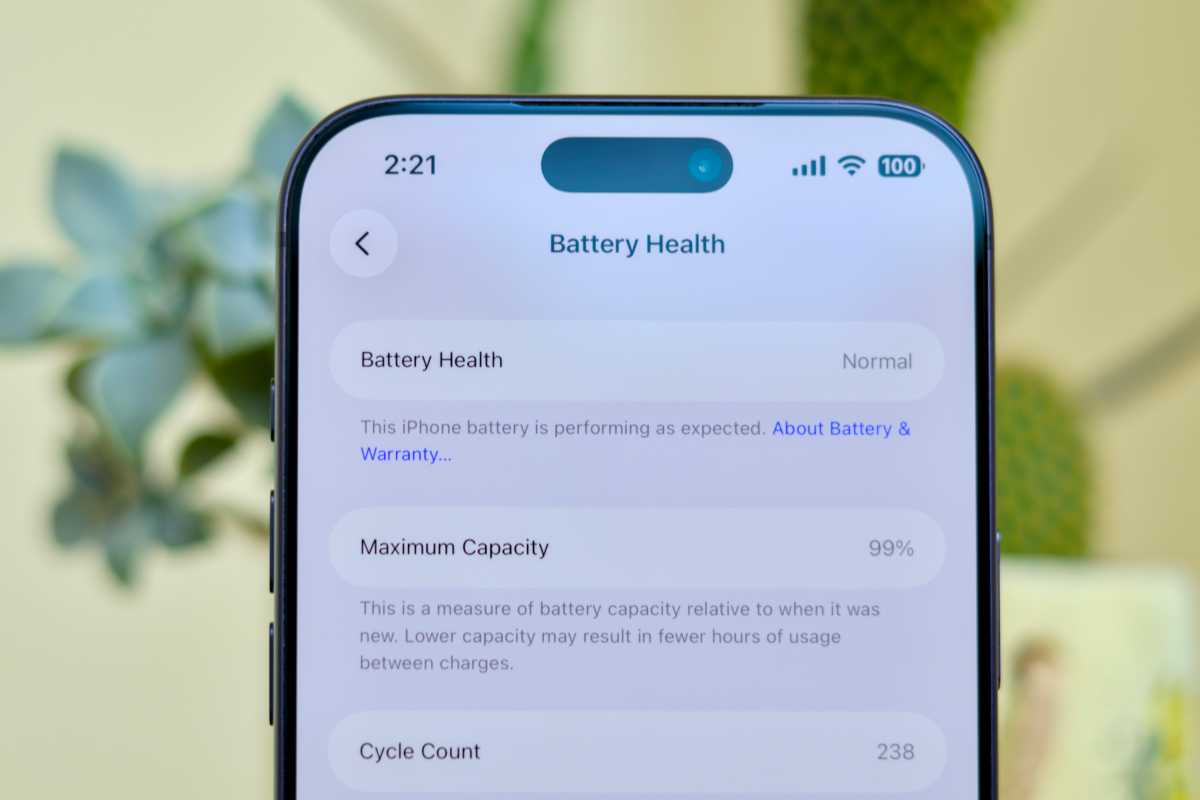 Battery health degrades more slowly than in the past.
Mahmoud Itani / Foundry
This wasn’t the perfect performance across the board, and Apple has left room for improvement in future generations. This isn’t unusual: radically transformed products are often riddled with imperfections that manufacturers address in the years that follow. The MacBook Air M3, for example, added an anodization seal to minimize fingerprints on the Midnight variant following M2 user complaints. Apple could similarly tweak the iPhone’s aluminum coating to limit chipping. The back glass panel on the iPhone 18 Pro is now color-matched to the body, but it has the same Ceramic Shield scratch resistance rather than the 2nd-gen process used on the front glass.
As for the display’s resistance, I’m genuinely impressed by how the Ceramic Shield 2 is holding up: 10 out of 10, no notes. The battery life and thermal management have likewise become more reliable than ever. At this point, any groundbreaking changes to the battery will probably require dropping the lithium-ion technology in favor of something completely different. Once a fragile glass sandwich, the iPhone Pro has become a beacon of durability and dependability.
| # | Наименование новости | Тональность | Информативность | Дата публикации |
|---|---|---|---|---|
| 1 | The iPhone 18 Pro probably won’t be as thick as the latest rumors say | 0 | 5 | 09-07-2026 |
| 2 | iPhone 18 Pro & Pro Max leaks: All the biggest rumors so far | 0 | 5 | 09-07-2026 |
| 3 | iPhone 18 Pro owners report two serious bugs causing freezes and restarts | 0 | 13.12 | 21-09-2026 |
| 4 | iPhone 18 too expensive? Here are 3 ways to make your old iPhone feel like new again | 0 | 14.7 | 19-09-2026 |
| 5 | Best iPhone 18 Pro cases you can buy right now | 0 | 25.27 | 15-09-2026 |
| 6 | The Glacier iPhone 18 Pro Max is the anti-Cosmic Orange | 0 | 11.19 | 21-09-2026 |
| 7 | iPhone 18 Pro Max battery might get bigger battery (but 18 Pro won’t) | 0 | 5 | 07-07-2026 |
| 8 | iPhone Duo vs. iPhone 18 Pro: What you’ll miss with Apple’s first foldable | 0 | 21.68 | 10-09-2026 |
| 9 | iPhone 18 Pro vs. iPhone 15 Pro: Is it finally time to upgrade? | 0 | 25.58 | 17-09-2026 |
| 10 | Is Apple’s affordability balancing act about to come crashing down? | 0 | 14.66 | 10-08-2026 |